
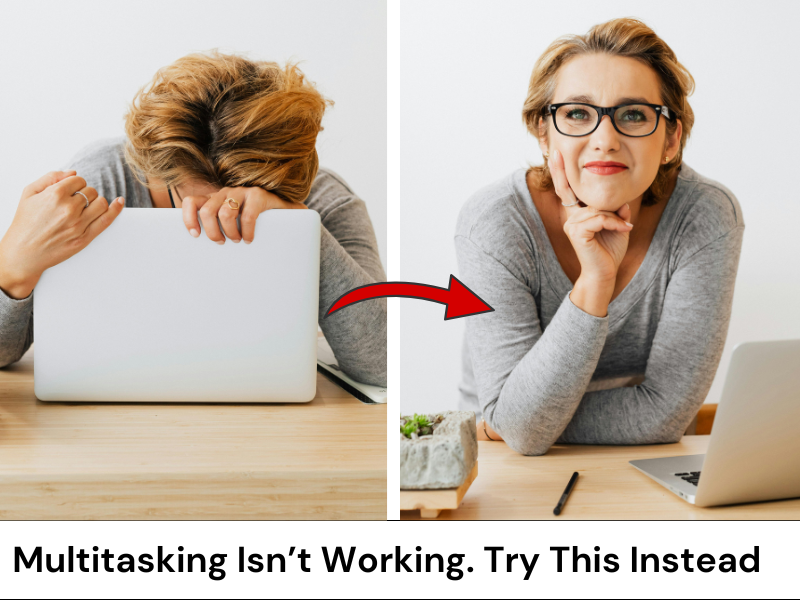
For decades, multitasking has been touted as a trait that benefits not only our professional life but also our personal one, showcasing how amazing it can be to juggle work and day-to-day activities simultaneously for a perfect life.
However, for some years now, people have been questioning whether humans were even designed to multitask, much less excel at it. Our brain is only able to focus on a primary task instead of juggling different duties, resulting in errors, and thus can only make you busy, not actually productive in the long run.
What Are The Disadvantages Of Multitasking?
1. More Chances of Distractions
Multitasking when convenient can yield amazing results, but when it becomes a part of every decision of the day, you can start to fumble and actually deteriorate your work instead of improving it.
It often lacks accuracy. Even if you end up performing all the tasks while multitasking, the likelihood of mistakes increases. A study on cognitive control in media multitaskers gave the conclusion that many individuals are unable to cope with the changing media environment of the 21st century!


For example, since you are in the midst of different tasks, once you are done, you want it to be over as soon as possible and can let go of checking for any errors. Like, not having the will to have a final check over a report for errors because you are tired.
2. Fatigue/Stress
A common among multitasking disadvantages is that your body and mind can succumb to the pressure to comply with different tasks, both emotionally and mentally.
Orthopaedic Surgeon and Bestselling Author of “But What Does Science Say?”, Dr. Manan Vora, writes:
“Multitasking increases mental fatigue, reduces working memory, and raises stress levels… This is not just a productivity issue. It’s a brain health issue.”
Easy Mindfulness Hobbies that require just five minutes of your time can bring instant calmness and, most importantly, a time for mental clarity!


3. Effects Attention Span
A big part of multitasking, Task Switching, i.e., dividing time, can decrease your attention span, something that millions of people practice in the age of hi-tech and social media. In the space of pure multitasking, small distractions can disrupt your focus or even derail your thought process.
Dr. Pal Manickam, health educator and Consultant Gastroenterologist at Dignity Health Medical Foundation, counts multitasking too often among the everyday habits that could be secretly damaging your brain function. He says:
“Constant task-switching reduces efficiency, attention span, and working memory.”

With every app and platform at our fingertips, it’s so easy to multitask when convenient, but it also makes us attention deficit. A simple example may be urging you to go over your email while waiting for others on a Google Meet. While it may work, it’s a 50/50 chance that can lead to shifting your attention and fumbling not only on composing your emails but also on your video meeting as well.
Tech Disruptions
A 2024 research paper lists down how multitasking can impair metacognitive monitoring, i.e., how an individual can judge their own performance and adjust their schedule for a better outcome.
Try to take a breather and give your eyes a break with these no-screen activities to counter the Multitasking disadvantages!
4. Impaired Cognitive Functions
According to Research on working memory costs of task switching, multitasking, which often includes context switching and task switching, can alter the way our working memory functions, creating a “cognitive cost,” i.e., making it harder to focus on our in-hand tasks and make errors.

What is Monotasking?
A totally different approach than Multitasking, Monotasking is the process of focusing on one primary task at a time and only moving onto the next after completing it. Lydia Cho, a neuropsychologist at McLean Hospital, Belmont, MA, comments on the advantages of the process:
“Monotasking lowers the burden on working memory… helps you complete the task more efficiently and quickly.”
It is better than multitasking in the way it gives our brain time to adjust to focus our attention on a primary task and then move on to the rest.
Monotasking Benefits:
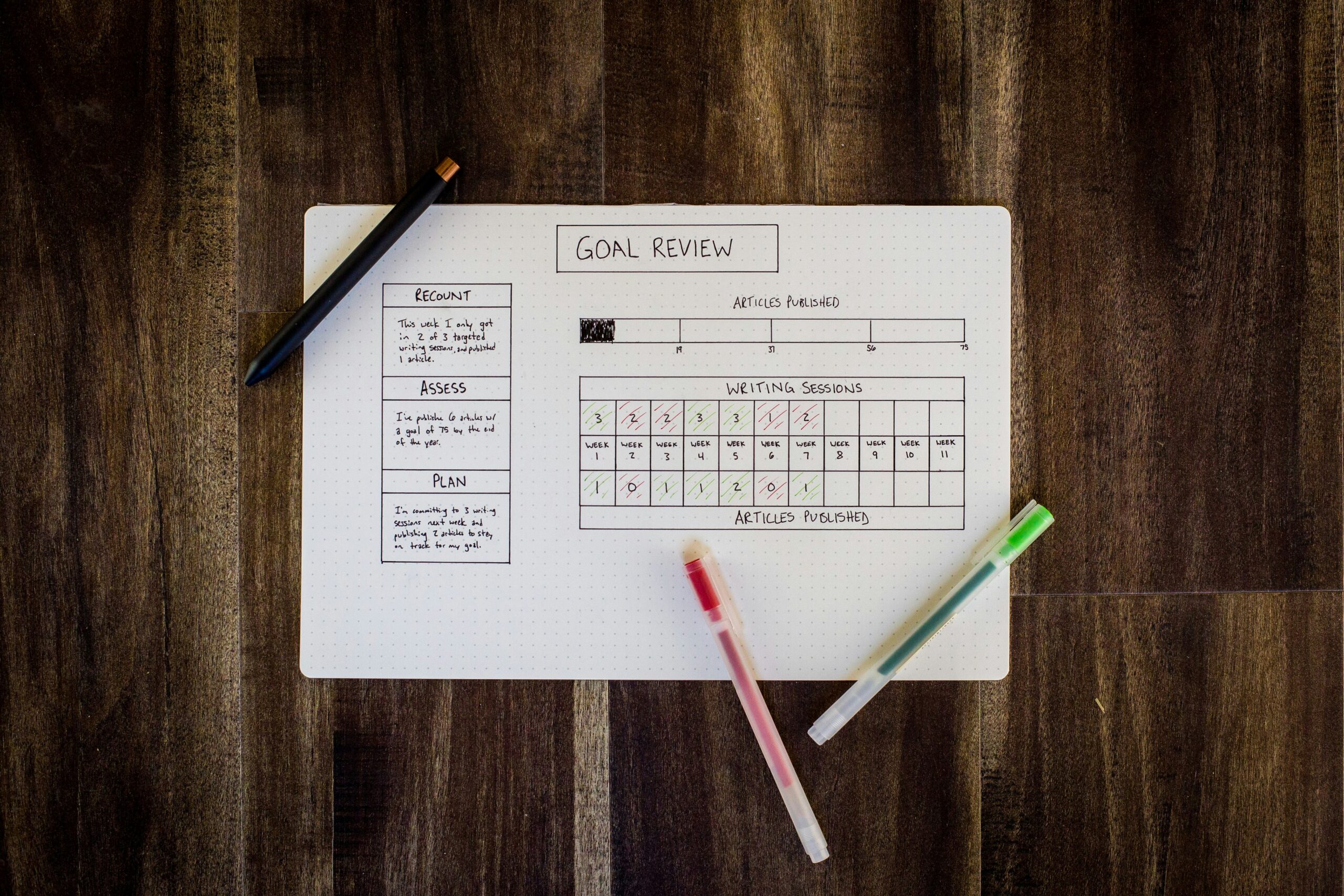
1. The Real Productivity Booster
The age-old idea of getting to the ‘carrot at the end of the stick’ of Monotasking gives you the boost to complete a task and move on to others with improved speed.
2. Reduces Stress
Break free from the overlaps that Multitasking brings and just let your brain work the way it is meant to be worked: clearly and calmly. When your main goal is doing one task and just that one task right, you are more prone to work in a healthier way.
The satisfaction you get after completing a task, whether small or big, is a big aspect of monotasking benefits.
3. Enhances Learning
Focusing on a single task first can improve one’s conceptual understanding (your brain takes in the information more effectively). A comparative analysis of the effects of Multitasking on cognitive performance and productivity concludes that monotasking is a “superior strategy for sustainable productivity and cognitive fidelity.”
4. Leads To Better Decision-Making
Monotasking provides you with time to think deeper, which helps avoid rash decisions. This way, you can weigh your choices more clearly, making Monotasking better than Multitasking.


Conclusion
While every human has a way of completing tasks, it is seen in recent studies that multitasking has some repercussions, being the face of getting everything done in the fastest way possible. The process on its opposite end, Monotasking, which gained traction last year, is now looked upon as the easier and better approach when it comes to actually being productive.
Remember, the information shared above is based on research and studies conducted on the topic. Please do not substitute it for any professional medical advice or a productivity coach’s guidance.
Frequently Asked Questions on Monotasking
Q. What are some Monotasking ADHD strategies?
People suffering from Attention-deficit/hyperactivity disorder can find monotasking better for a more peaceful routine, as it doesn’t trigger impulses or overwhelm the brain. Some popular monotasking ADHD strategies include:
- Dividing primary tasks into micro-steps.
- Use a checklist to mark and reward.
- Using visual timers.
Q. What are the Ways to Follow Monotasking?
Some popular monotasking tips include downloading monotasking apps, practising Time-Blocking, batch-tasking, decluttering physically/technologically, and avoiding distractions by reducing social media.
Read more ways, such as letter writing and Dumb Phones replacing Social Media in 2026!